How the Independent Trader Defines American Entrepreneurialism
American entrepreneurialism is often framed as a story of founders. But it's much deeper.
American entrepreneurialism is often framed as a story of founders building companies, investors funding innovation and scale, and inventors creating what comes next. But there is another group that plays a critical role in that ecosystem: traders.
At their best, traders do more than buy and sell. They allocate capital, formulate strategies and workflows, identify opportunities where others may see risk, and determine which ideas infiltrate the market. A figure that illustrates this intersection is Sir John Templeton.
In 1939, with the world sliding into war and pessimism at its peak, he borrowed money and bought 100 shares of every stock on the New York Stock Exchange trading below a dollar. More than 100 companies. Many in bankruptcy. Nearly all of them eventually made him money.
Templeton wasn't gambling. He was making a calculated judgment that the consensus was wrong, that the downside was bounded, and that the upside was substantial. He had the discipline to size the position and the conviction to act on it.
I joined Franklin Templeton shortly after he stepped away from the firm. His influence was everywhere. The combination of independent vision plus disciplined risk-taking that defined his career has stayed with me as the clearest definition I know of American entrepreneurialism.
Eighty-seven years after Templeton’s wartime call, that same instinct is alive in a place I find myself thinking about often: the American trading desk.
When trading becomes a business
Over the past several years, I've watched a category of investors grow that doesn't fit neatly into how the industry usually talks about retail traders. These aren't hobbyists. They aren't passive investors with a 401(k) and an occasional market order. They are people who have made trading their business and part of their everyday lives.
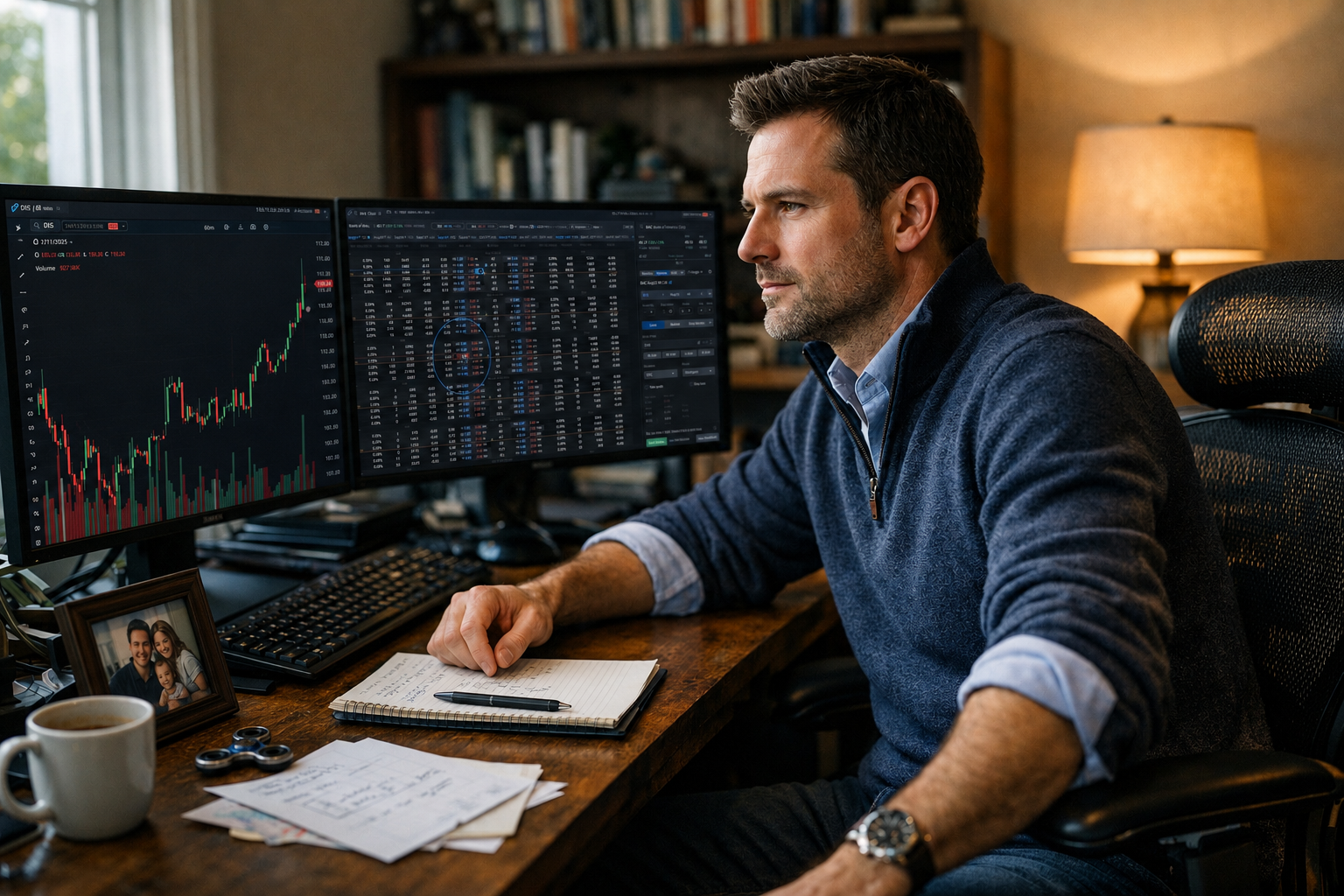
Traders are the CEOs of their own capital. No salary, no safety net, no committee approving their decisions. They invest in their tools, data, education, and processes the way any founder invests in a company. They run systematic strategies and build with APIs. Increasingly, they put AI to work alongside them. The capabilities at their disposal were institutional-only a generation ago.
The decision they make every morning is the same decision Templeton made in 1939. Form an independent view, size the risk, act on conviction, and live with the outcome. That's not speculation. It's entrepreneurialism.
It happens at a scale in this country that exists nowhere else in the world, and it remains the trading capital of the world.
The company built for them
I see the same pattern in TradeStation’s own story. The company was founded in 1982 by two brothers, Bill and Ralph Cruz, who arrived in the United States from Cuba as children. They started a company in their parents' house on the conviction that individual traders deserved the same caliber of tools that institutional desks took for granted.
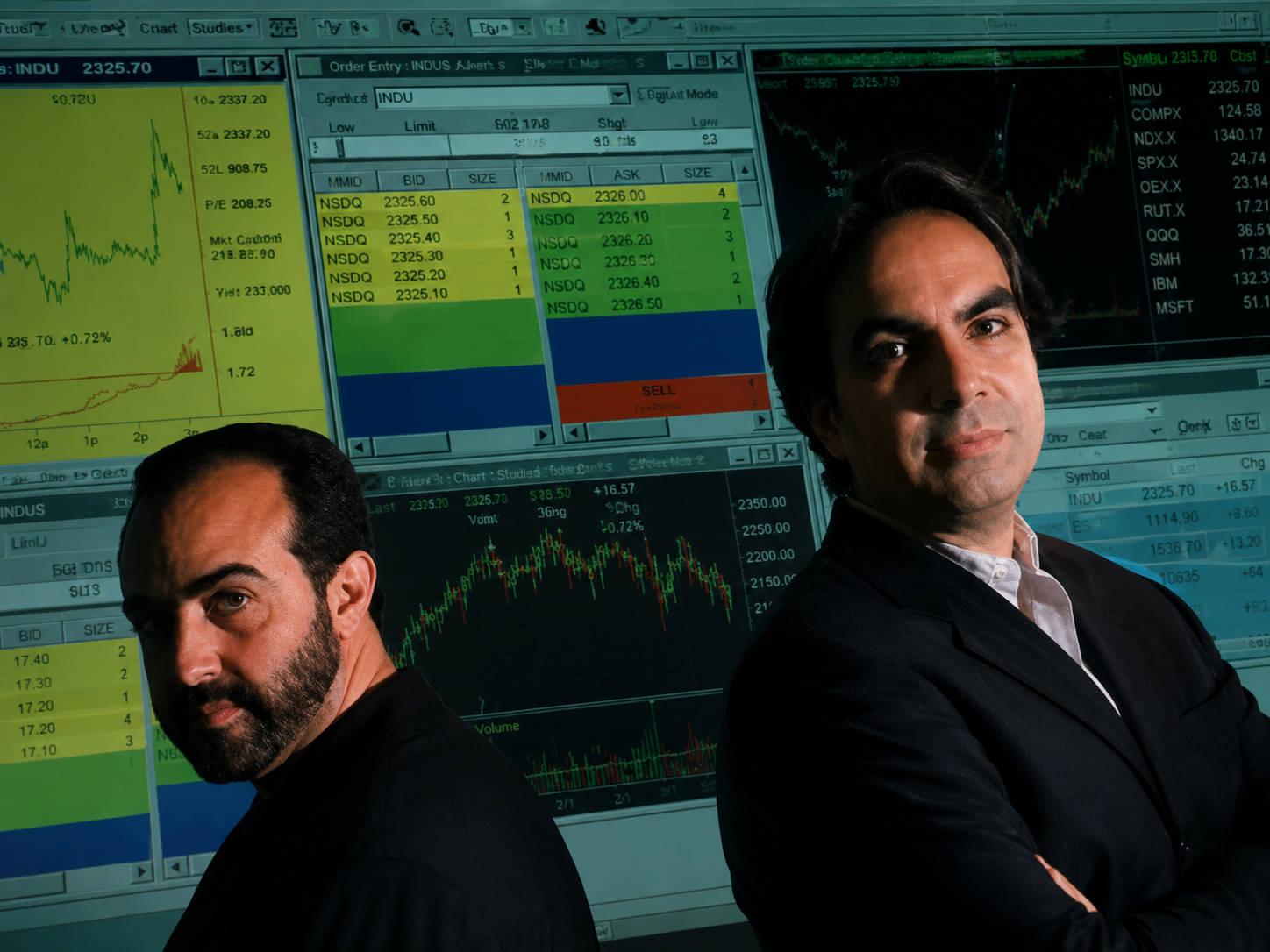
That's the American dream in its purest form. Arrive with nothing. Build something that outlasts you. Along the way, create something that helps the next generation do what you did.
44 years later, the company the Cruz brothers built exists to serve the next generation of people making the same kind of choices. Independent traders running their capital as a business, with automation and AI as their new force multipliers. The founders' story and our customers' story are the same.
AI joins a 234-year pattern
TradeStation MCP was recently named the AI Breakthrough Award's LLM Application of the Year. We're extremely proud of the recognition, but the important point isn't the award. It's what MCP makes possible for our traders.
MCP, the Model Context Protocol developed by Anthropic, gives AI systems a standardized way to connect to brokerage infrastructure, which means a trader can analyze sectors, evaluate strategies, monitor a portfolio, and execute decisions through an AI interface connected directly to their account and live market data. I've written in Forbes Council about my own experience with this, including the morning AI caught an options spread I'd entered incorrectly during a meeting and corrected it before the position moved against me. That kind of capability didn't exist a year ago.
What MCP represents in the bigger picture is straightforward. For more than two centuries, the American story has been the story of access: to capital, land, ownership, the markets. The Buttonwood Agreement in 1792 was a step toward access. Mutual funds in the 1920s were another, and discount brokerages in the 1970s. Online trading in the 1990s, mobile platforms in the 2010s. Each time, the friction between an individual American and the markets that fund American business has gone down. MCP is the next step in that pattern.
The independent trader at 250
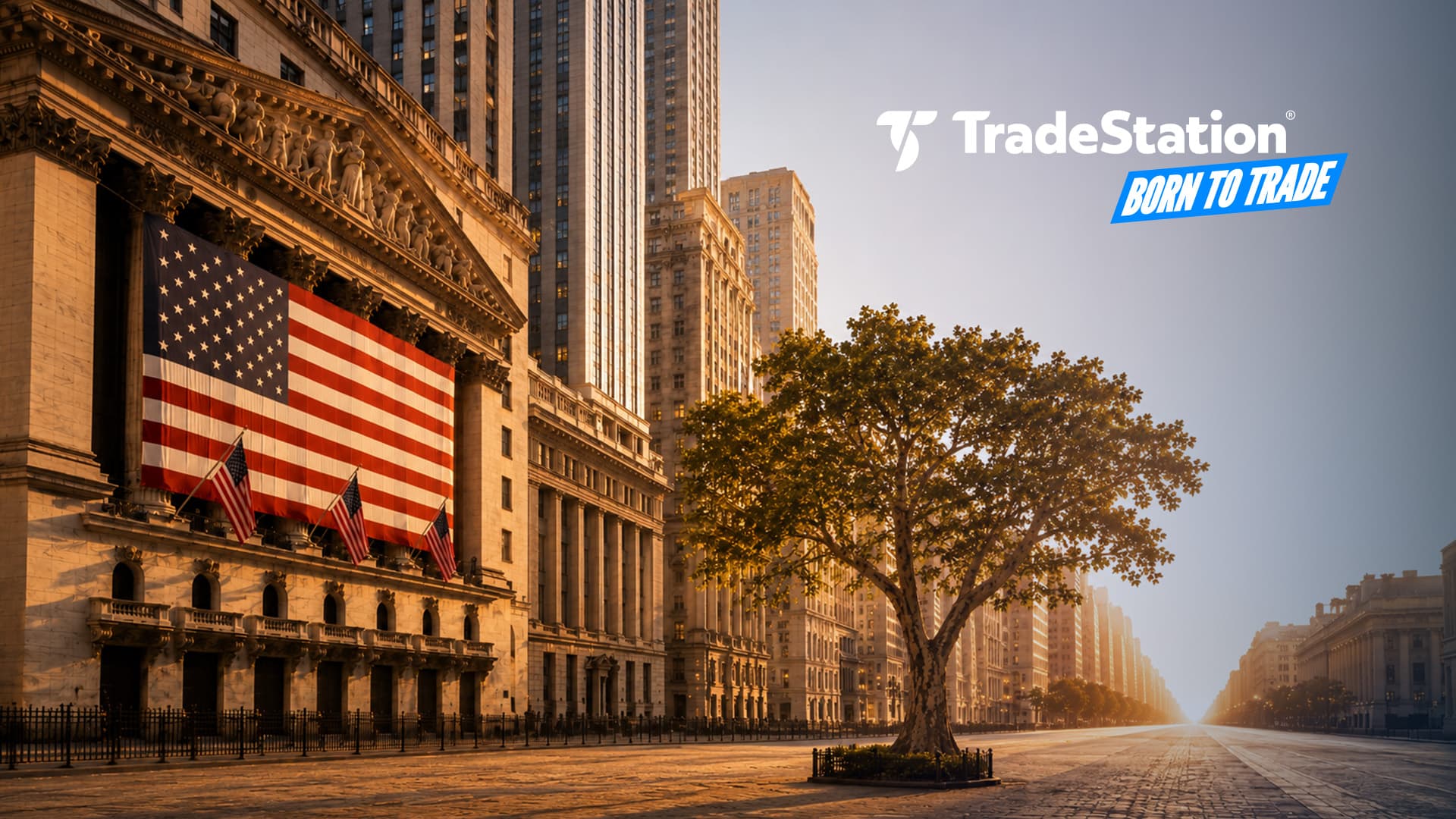
Nearly two and a half centuries ago, a group of brokers signed an agreement under a tree on Wall Street. They were making a calculated decision about how American markets should work and were trusting each other and the country.
They were right. America became the trading capital of the world and it still is.
Templeton made that bet in 1939. The Cruz brothers made it in 1982. And every day in 2026, the American trader makes the same decision to back their judgement, take calculated risks, and pursue opportunity where others see uncertainty, and now with AI as a powerful tool by their side.
The spirit Templeton embodied hasn't disappeared. It has evolved. It lives in entrepreneurs building companies, the innovators creating new technologies, and traders putting capital to work. As we approach the 250th anniversary of our nation’s founding, that combination of independent thinking, disciplined risk-taking, and belief in the future remains one of the defining forces behind American entrepreneurialism.